12oz

charter_arms
Pathfinder II
22 LR | 6 rds |
aluminum
$510
The snub nose revolver remains the ultimate backup gun and deep concealment choice. Simple, reliable, and proven over a century of service. From lightweight alloy J-frames to all-steel tanks, find the perfect snubby for your carry needs.
32 snub nose revolvers compared
Rankings are generated algorithmically by weight (lightest first). For snub nose revolvers, carry weight is the defining factor — lighter guns are easier to carry all day in a pocket or ankle holster. Only revolvers with barrel lengths of 2.5" or shorter are included. Frame material (titanium, scandium, aluminum, steel) is the primary driver of weight differences.
Frame material is the single biggest factor in snub nose weight and shootability
Ultralight carry. Maximum concealability but the most felt recoil. Corrosion-proof. Premium cost.
Aerospace-grade alloy with near-titanium lightness and steel-like strength. The modern high-end choice.
The sweet spot for most carriers. Light enough for all-day pocket carry, heavy enough to stay controllable.
Heaviest but most pleasant to shoot. Absorbs recoil best and handles hot magnum loads without flinch.
charter_arms
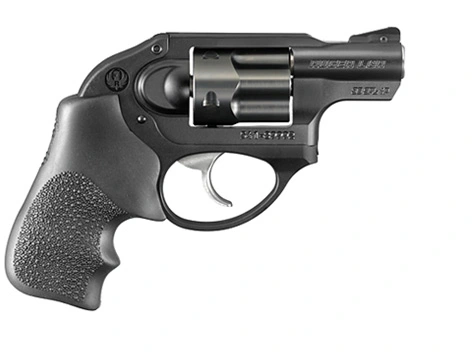
ruger

smith-wesson

smith-wesson

smith-wesson

smith-wesson

ruger

smith-wesson
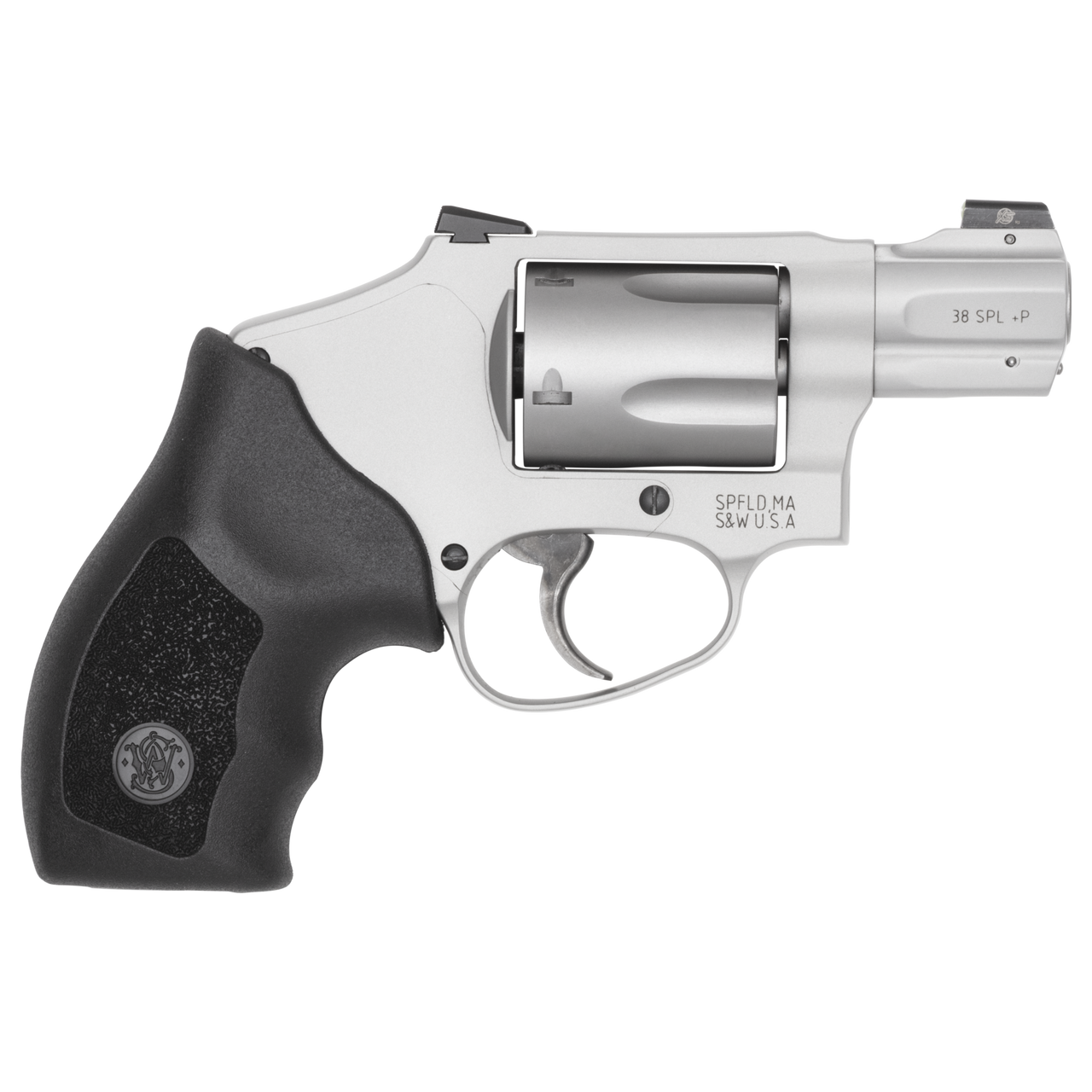
smith-wesson
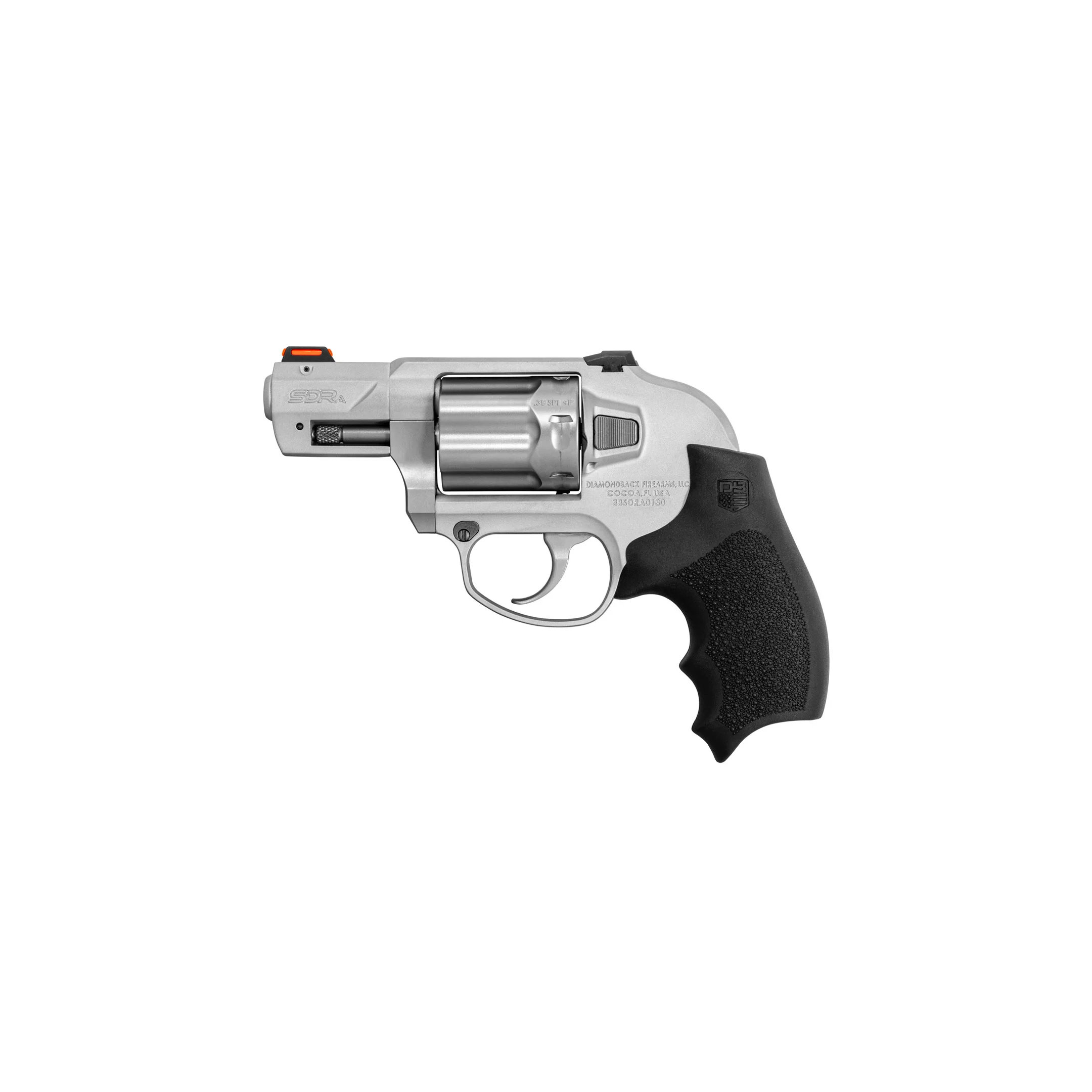
diamondback

smith-wesson

kimber

smith-wesson

ruger

ruger

ruger

charter_arms

smith-wesson

diamondback

diamondback
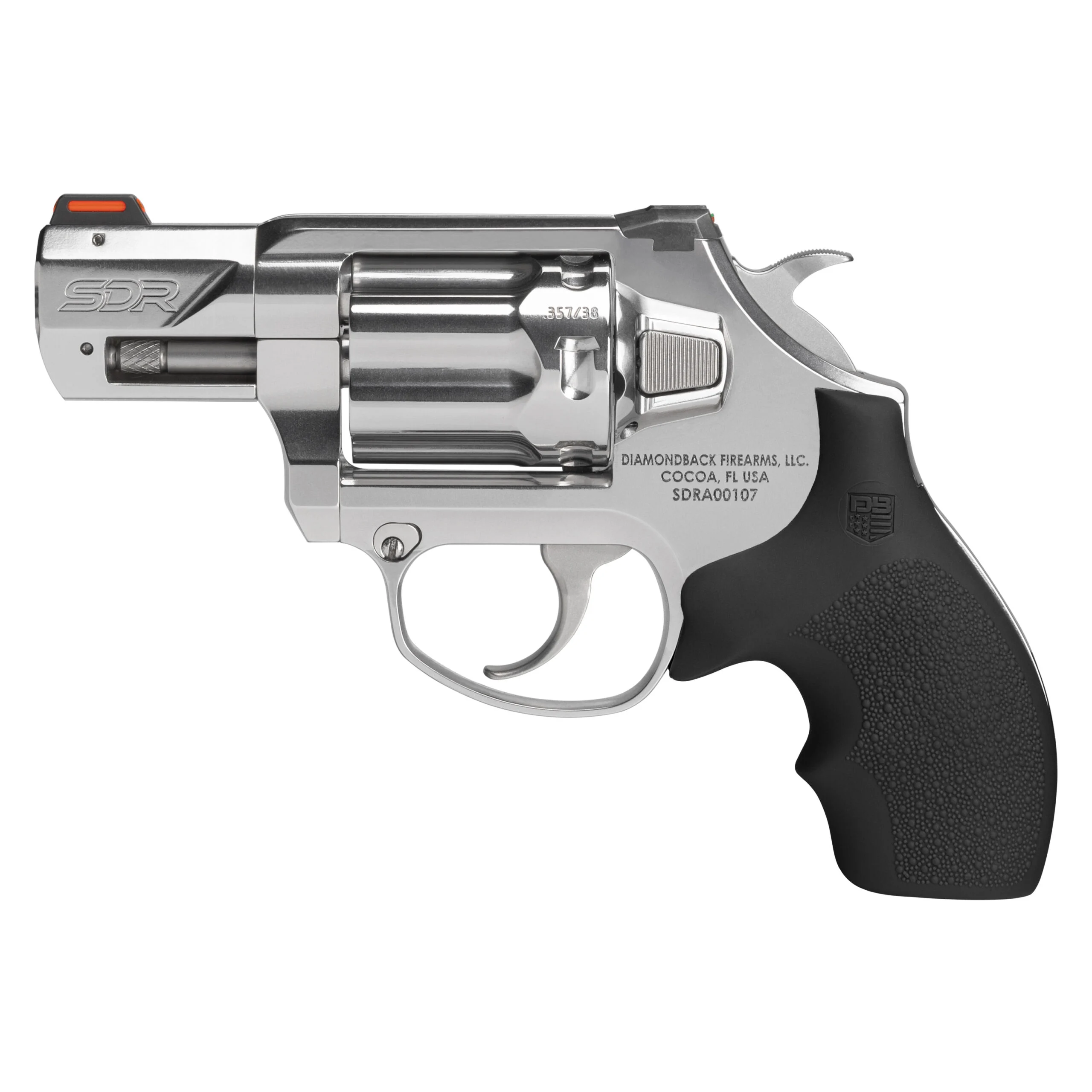
diamondback

taurus

smith-wesson

kimber

smith-wesson

chiappa

colt

colt

ruger

smith-wesson

colt

ruger
Use our intelligent selector to compare snub nose revolvers by weight, caliber, and frame material to find the ideal pocket revolver.
Use Gun Selector ToolSteel frames (25-30oz) absorb recoil best and are the most durable, ideal for range practice and shooters who prioritize comfort over carry weight. Aluminum alloy frames (12-17oz) offer the best balance - light enough for daily carry but heavy enough to be controllable. Scandium alloy uses aerospace-grade aluminum-scandium, achieving near-titanium lightness with steel-like strength. Titanium frames (10-12oz) are the lightest and most corrosion-resistant, but the reduced weight means significantly more felt recoil, especially with .357 Magnum loads.
With barrel lengths under 2", snubbies generate significant pressure and heat in a compact package. Frame metallurgy affects: Weight - critical for carry comfort; Recoil absorption - heavier frames dampen felt recoil; Durability - steel handles hot loads best; Corrosion resistance - titanium and stainless excel for sweaty carry. Budget alloy frames may show wear faster with magnum loads, while premium scandium and titanium can handle anything despite their light weight.
In a 2" barrel, .357 Magnum loses much of its velocity advantage while dramatically increasing recoil and muzzle blast. Many experts recommend .38 Special +P for snubbies - you get adequate terminal performance with manageable recoil and faster follow-up shots. However, a .357 snubby gives you flexibility: carry .38 +P for comfort but have magnum capability if needed. Just be aware that full-power magnums from a lightweight snubby are punishing to shoot.
Under 15oz (Airweight/Titanium): Maximum concealability, pocket-carry friendly, but challenging to shoot well. Best for experienced shooters who practice regularly. 15-20oz (Alloy): The sweet spot for most carriers - light enough for all-day comfort, heavy enough to control. 20-26oz (Steel): Better for range practice, OWB carry, or shooters who prioritize shootability over weight. Still concealable with proper holster.
Most snubbies are 5-shot (J-frame size) or 6-shot (slightly larger). The extra round in a 6-shot comes with a larger cylinder, adding width and weight. For deep concealment, 5-shot models are slimmer and lighter. Statistically, most defensive encounters are resolved with 2-3 rounds, making the capacity difference less critical than shot placement. Choose based on your carry method - pocket carry favors 5-shot, belt carry can accommodate 6-shot.
Concealed/shrouded hammers (like S&W Centennial series) eliminate snagging on draw and allow firing from inside a pocket. They're DAO (double-action only) with longer, heavier trigger pulls. Exposed hammers can be thumb-cocked for single-action shots with a lighter trigger, useful for precise shooting. However, they can snag on clothing during draws. For pure defensive carry, concealed hammers are generally preferred. For range use or backup duty, exposed hammers offer more versatility.